
The growing demand for second-hand clothing worldwide is reshaping how consumers shop, how brands operate, and how waste is managed across global supply chains. From thrift stores in Melbourne to resale platforms serving Southeast Asia, pre-loved fashion has moved well beyond a niche market into a mainstream economic force.Regenerate section
Key Takeaways
- Second-hand clothing demand is accelerating globally, driven by cost pressures, sustainability awareness, and digital resale platforms.
- Australian consumers are increasingly choosing pre-loved fashion as both a financial and ethical decision.
- Businesses that can supply quality sorted and graded used clothing are well positioned to serve growing export demand.
- Developing markets in Africa, Southeast Asia, and Eastern Europe represent significant opportunities for wholesale second-hand clothing exporters.
- Sustainable fashion credentials are becoming a competitive advantage, not just a marketing angle.
- Acting now to establish supply chains and trade relationships puts Australian exporters ahead of a rapidly filling market.
Why Consumer Attitudes Have Shifted So Dramatically
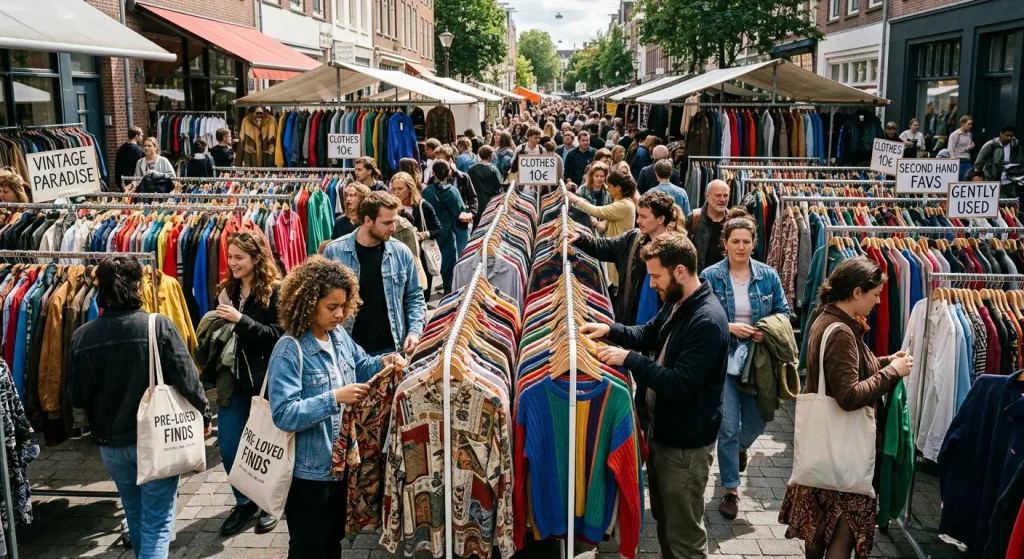
A decade ago, buying second-hand clothing carried a stigma in many communities. That perception has fundamentally changed. Several forces have converged to make pre-owned fashion not just acceptable but desirable across income levels and age groups.
Cost of living pressures have played a significant role. As household budgets tighten across Australia and internationally, consumers are looking for quality clothing at lower price points. Second-hand markets offer exactly that, particularly for families purchasing children’s clothing, workwear, and seasonal items.
Environmental awareness has also reshaped purchasing behaviour. Younger generations, particularly those aged 18 to 35, are increasingly conscious of textile waste and the environmental footprint of fast fashion. According to Australia’s Department of Climate Change, Energy, the Environment and Water, Australians discard around 200,000 tonnes of clothing and textiles each year, making sustainable alternatives more appealing than ever.
Digital platforms have removed the friction from second-hand shopping and now make it possible to browse, purchase, and receive pre-loved items through products listed on dedicated resale websites with the same convenience as buying new. This accessibility has opened the market to buyers who would never have visited a traditional op shop.
The Global Scale of the Second-Hand Fashion Market
The scale of the shift is substantial. Resale and second-hand clothing segments are growing at a rate that significantly outpaces traditional retail across multiple regions. Markets in sub-Saharan Africa, South and Southeast Asia, Latin America, and Eastern Europe have historically been major importers of used clothing bales, and that demand continues to grow as populations expand and middle-income consumers seek affordable options.
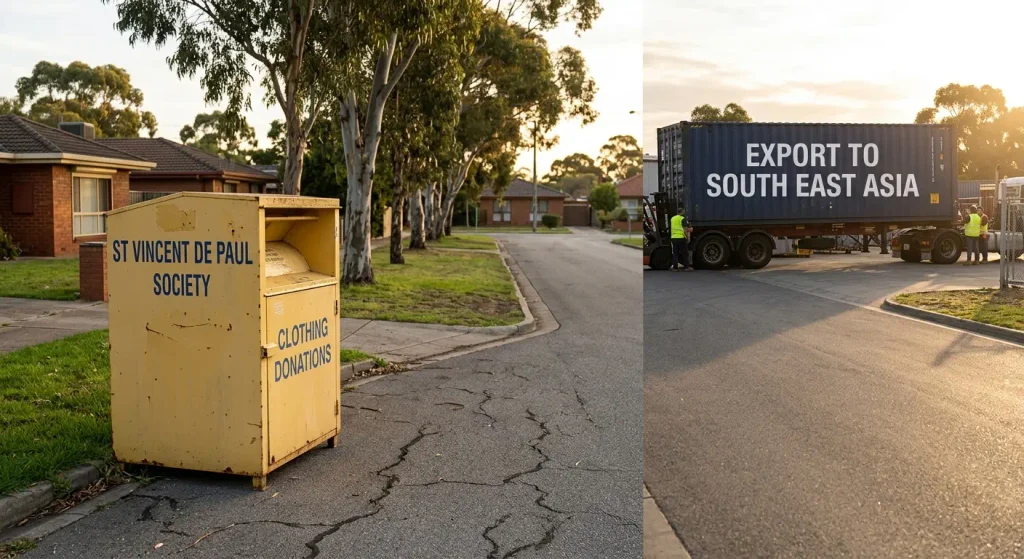
For Australian businesses looking to participate in international markets, this represents a meaningful commercial opportunity. Sorted and graded second-hand clothing, exported in bulk bales, is a commodity with genuine demand across dozens of countries. The key is understanding which grades and categories are in demand and establishing reliable supply chains to meet that need.
Categories that consistently perform well in export markets include:
- Children’s clothing in good condition
- Denim jeans and jackets
- Winter coats and outerwear
- Branded athletic and sportswear
- Work and trade clothing
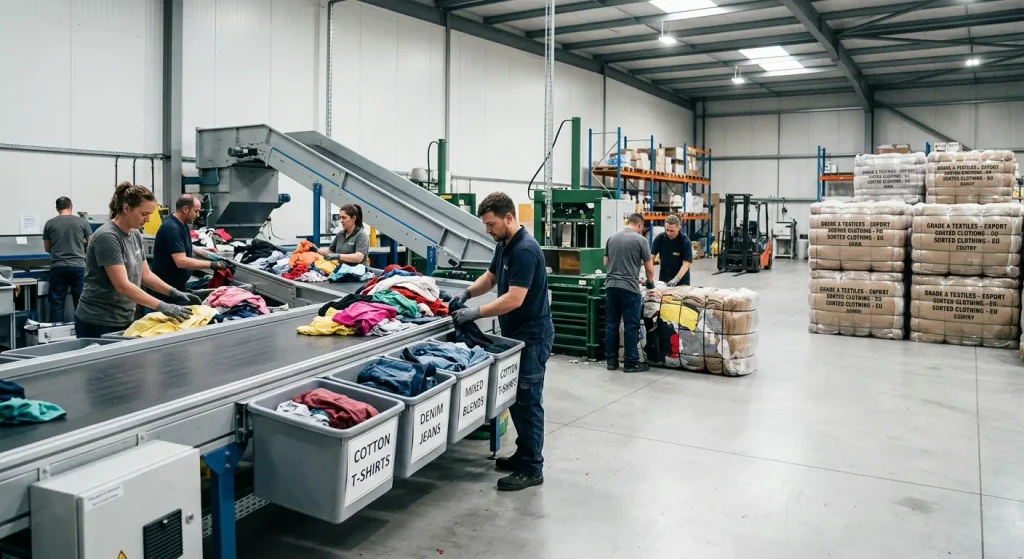
Sorting and grading quality directly affects the price a supplier can command. Higher-grade items fetch better returns per kilogram, making quality control a core part of any viable operation.
How Australian Businesses Are Responding
Australia is well positioned to be a meaningful supplier in the global second-hand clothing trade. With a large consumer base, high turnover of clothing, and growing volumes of donated and collected textiles, there is raw supply available. What matters is how that supply is captured, processed, and directed to market.
Charitable organisations, clothing collection services, and commercial sorters are all part of the ecosystem. Businesses that invest in proper sorting, baling, and grading infrastructure can move from simply collecting clothing to becoming credible exporters with repeatable supply.
For anyone researching the wholesale export side of this business, understanding logistics, customs compliance, and destination-market regulations is essential. Different countries have different import rules for second-hand textiles, and navigating those requirements correctly determines whether a shipment clears customs or creates costly delays.
The materials available through established exporters typically span multiple grades and categories, allowing buyers to source specific types of clothing suited to their end market rather than accepting unsorted mixed bales.
Things to Know
- Not all second-hand clothing is equal: export grade, domestic resale grade, and rag grade command very different prices and serve different markets.
- Import restrictions vary widely: some countries have banned or heavily taxed second-hand clothing imports to protect local textile industries, so research destination regulations carefully.
- Bale weight and composition matter: buyers in export markets often specify exact mixes, weights, and conditions, so consistency is a selling point.
- Seasonal demand shifts: winter items exported to the Northern Hemisphere need to be timed correctly to match buying cycles.
- Certification and traceability are growing priorities: some buyers now require documentation about the origin and sorting process of clothing bales.
Regenerate section
Sustainability Credentials and Their Commercial Value
The environmental argument for second-hand clothing is not just a consumer talking point; it is increasingly a factor in business procurement and government policy. Textile waste is a recognised environmental issue in Australia, and businesses that divert clothing from landfill into reuse or export channels contribute measurably to waste reduction targets.
The Guardian Australia has covered the growing problem of textile waste, noting that the volume of discarded clothing in Australia continues to rise even as awareness of the issue grows. Businesses that can credibly demonstrate their role in extending the life of garments, whether through domestic resale or international reuse, are gaining traction with both consumers and potential trade partners.
This is particularly relevant for businesses seeking to build long-term export relationships. Buyers in international markets are increasingly asking questions about sourcing practices and environmental commitments, and suppliers who can answer those questions clearly have an advantage.
Pricing, Margins, and What to Expect
Margins in second-hand clothing export vary considerably depending on collection costs, sorting labour, freight, and destination pricing. Higher-grade sorted clothing exported to premium resale markets in Europe or North America will generally return more per kilogram than mixed bales sent to bulk commodity markets.
Building strong buyer relationships is central to sustaining margins over time. Spot sales are possible, but consistent supply agreements with reliable buyers create more predictable revenue and better long-term planning. Businesses new to this market should expect a period of relationship-building before volumes and pricing stabilise.
For those ready to take the next step, reaching out to established players in this space is the most direct path, and you can contact Navarro Enterprises directly to explore supply and export options suited to your business circumstances. The Australian Competition and Consumer Commission also provides guidance on trade practices relevant to businesses entering new export markets, which is worth reviewing before entering into formal supply agreements.
The Bottom Line on the Growing Demand for Second-Hand Clothing Worldwide
The growing demand for second-hand clothing worldwide is not a temporary trend. It reflects structural shifts in consumer behaviour, environmental awareness, and global trade patterns that are set to continue well into the coming decade. For Australian businesses, this represents a real opportunity to participate in a growing international market while contributing to domestic textile waste reduction.
Whether you are already in the collection and sorting space or exploring this market for the first time, the time to act is now. Establish your supply chain, understand your target markets, and connect with buyers who are actively looking for reliable Australian suppliers.